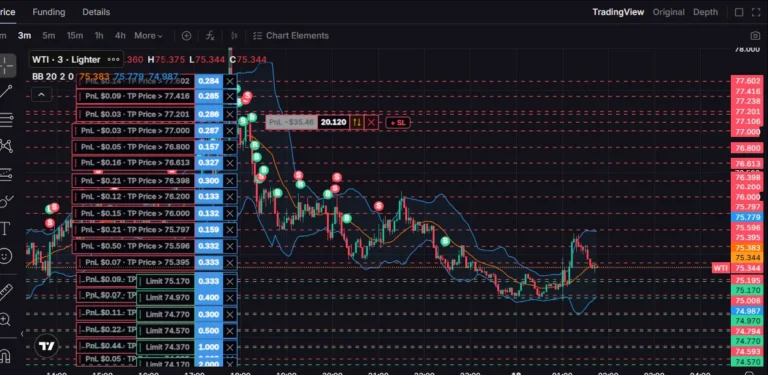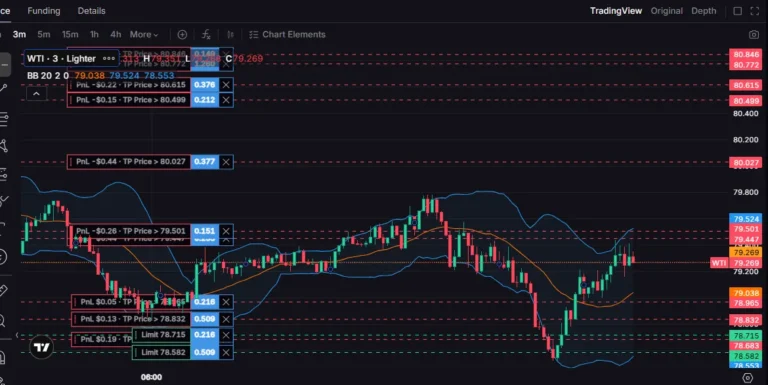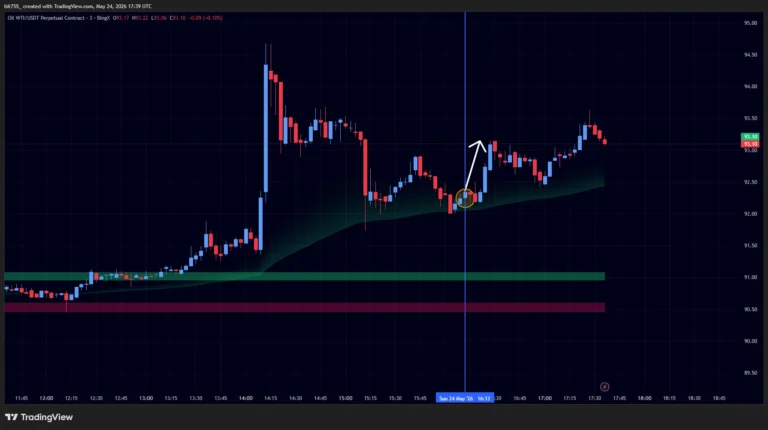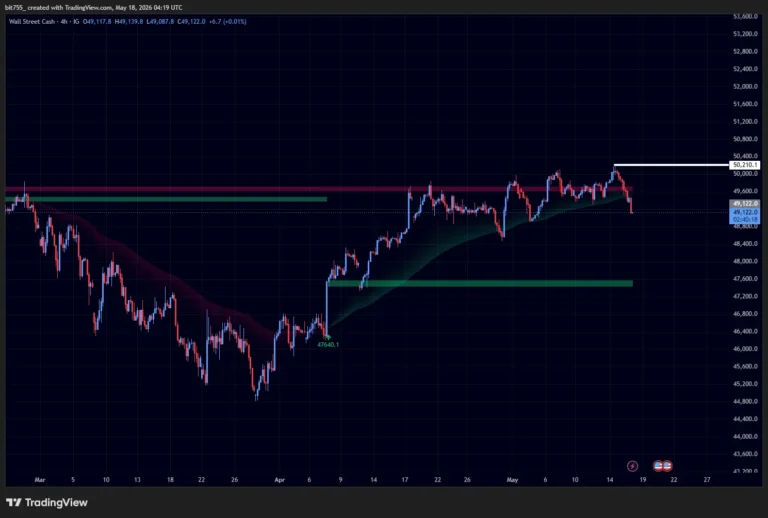


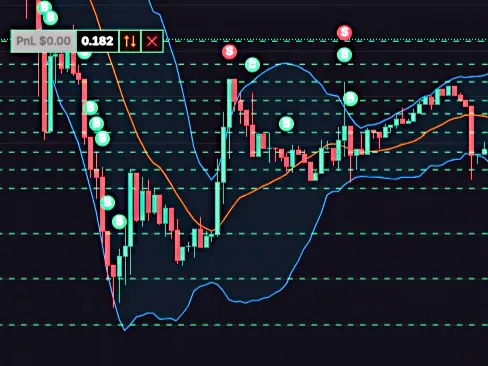
The awful reality is most traders believe they can predict directions, calculate levels, do a crapton of technical analysis, study macro environments and so on. To a point, those ideas are valid. But that point is usually low on the importance level. The same traders rarely if ever account for (call it geometrical) asymmetry.
In WTI and XAG, the asymmetry generally favors longs.
That does NOT mean “prices always go up”. It simply means the structure of these two assets, over longer periods of time, and aided by worldwide inflation, more consistently pays better in holding Long positions.
These are real-world commodities. They are time-tested. There is a universal, intrinsic industrial demand for them. And there is no replacement for them. Stocks can go to zero permanently. Or competitor companies can completely obliterate other companies if they f*ck something up. Or if they cannot keep the pace. The same with trading FOREX: currencies can collapse. A single idiotic leader can tank an entire country.
Pretty much every aspect of our lives is powered by oil. Efficient transportation, shipping, agriculture, manufacturing, you name it. Anything you’ve ever bought was not “born” on that shelf. It was transported there, usually by truck. Oil matters. Now for silver, that’s an industrial metal, a monetary metal, a technology input, and, ultimately, somewhat of a speculative safe haven. Both of these markets are deeply rooted in the real economy, so they are naturally subject to the mean reversion to scarcity. When prices become too low, the supply contracts almost naturally: oil drilling slows down, silver mines shut down or cease activity, and the overall stash inventory tightens. Over a long enough period of time, a built-in floor price mechanism develops. Shorters try to “nail the top” of assets that are practically uncapped. Longers understand the mechanism and don’t try to fight it.
Silver is a bit less volatile. But in oil, supply shocks generated by wars, sanctions, OPEC cuts, refinery outages and even underinvestment cycles… generate massive supply shocks. So even a small imbalance between supply and demand can produce an enormous move upward. Our trading reality is that oil price crashes depend on sustained economic weakness, which is usually the result of active policy. Historical experience shows that scarcity is more common than abundance. A trader shorting silver or oil can be “technically” correct for a few weeks, and then lose it all in a 3-day squeeze. That’s because a humongous quick wick (either up or down) is always a possibility. So if you’re in a Short, you have a very realistic and achievable liquidation price, even if your leverage is only 1x. That quick wick up can (and one day will) wipe out your entire account. Instead, if you’re in a 1x Long, you simply get to accumulate more, at lower prices, while your liquidation price is ZERO (if you were smart enough to have Limit orders placed below the entry), and we historically know that price bounces back at some point anyway.
From a purely mental point of view, Longs are aligned with the realities of inflation, monetary expansion population growth, and general long-term nominal price expansion. It’s much easier to hold a Long through volatility than it is to micro-manage a Short through a sudden squeeze. Essentially, while in a Long, all you need is patience, while in a Short, you need to constantly micro-manage corrections (yes, you might end up not sleeping for 4 days straight) and hope a disaster doesn’t strike.
In the grand scheme of things, it’s both better and easier to trade along structural pressure than to trade against it. Upside moves are usually allowed to take their course, while downside collapses are often artificially stabilized.